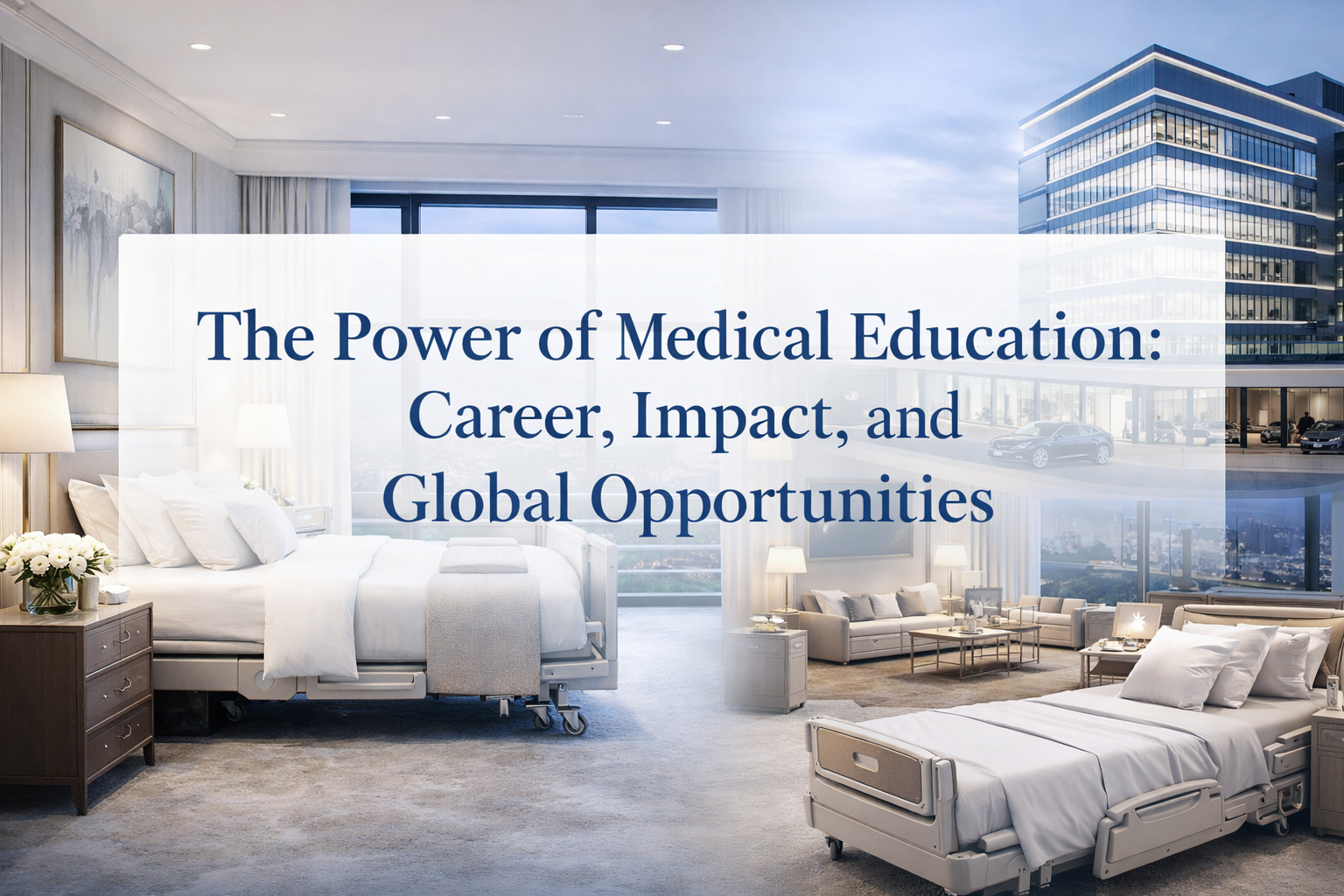
Medical education is more than just a pathway to becoming a doctor—it is a journey that combines knowledge, compassion, innovation, and global impact. In today’s rapidly evolving world, studying medicine offers unmatched opportunities for personal growth, career stability, and the chance to make a real difference in people’s lives.
This article examines the true potential of medical education, highlighting its career opportunities, societal impact, and global prospects for 2026.
A Career Built on Purpose and Stability
One of the most compelling benefits of medical education is the strong and stable career path it offers. Unlike many professions, healthcare is always in demand. Doctors, surgeons, and healthcare professionals play a vital role in society, ensuring a steady stream of job opportunities worldwide.
Medical graduates can pursue various career paths, including:
- Clinical practice (doctors, specialists)
- Medical research
- Public health
- Healthcare administration
- Teaching and academia
Beyond job security, medicine provides financial stability and long-term growth, making it one of the most respected and rewarding professions worldwide.
Making a Real Impact on Lives
Perhaps the most powerful aspect of medical education is its ability to transform lives. Every diagnosis, treatment, and consultation has the potential to improve or even save a patient’s life.
Medical professionals often work on the frontlines during global crises, such as pandemics, natural disasters, and humanitarian emergencies. Their skills and dedication make them indispensable in improving public health and ensuring community well-being.
This deep sense of purpose is what makes medicine more than just a career—it becomes a lifelong mission to serve humanity.
Access to Global Opportunities 🌍
Medical education opens doors to opportunities across the world. Graduates from top institutions like Harvard University or the University of Oxford are recognized globally, allowing them to work in multiple countries.
Many doctors choose to:
- Work in international hospitals
- Participate in global health programs.
- Join organizations like the World Health Organization (WHO)
- Contribute to medical missions in underserved regions.
This global mobility makes medicine one of the most internationally respected professions, offering exposure to diverse cultures and healthcare systems.
Continuous Learning and Innovation
Medicine is a field that never stops evolving. With rapid advancements in technology—such as artificial intelligence, robotics, and biotechnology—medical professionals must continuously update their knowledge.
Medical education instills a mindset of lifelong learning, encouraging students to stay curious and adapt to new developments. This ensures that doctors remain at the forefront of innovation, providing the best possible care to patients.
Personal Growth and Skill Development
Studying medicine goes beyond textbooks and lectures. It helps develop essential life skills such as:
- Critical thinking
- Problem-solving
- Communication and empathy
- Leadership and teamwork
These skills not only make better doctors but also strong, confident individuals capable of handling complex challenges in any environment.
Prestige and Social Respect
Doctors are among the most respected professionals in society. Medical education brings a level of prestige and recognition that few careers can match.
The trust placed in healthcare professionals by patients and communities reflects the importance of their role. This respect is earned through years of dedication, hard work, and commitment to excellence.
Contribution to Research and Innovation
Medical education provides opportunities to contribute to groundbreaking research. Many professionals work on developing new treatments, vaccines, and medical technologies that shape the future of healthcare.
Institutions like Johns Hopkins University and Stanford University are known for their contributions to medical research, offering students the chance to be part of life-changing discoveries.
Financial Rewards and Career Growth
While the primary motivation for many medical students is to help others, the profession also offers significant financial benefits. Specialized fields such as surgery, cardiology, and neurology are among the highest-paying careers globally.
With experience and expertise, medical professionals can achieve remarkable career growth, leadership roles, and entrepreneurial opportunities in healthcare.
FAQs
Why is medical education important?
Medical education is crucial because it prepares professionals to diagnose, treat, and prevent diseases, improving global health outcomes.
Is medical education worth it?
Yes, despite its challenges, it offers long-term career stability, financial rewards, and the opportunity to make a meaningful impact.
Can medical graduates work internationally?
Yes, many medical degrees are globally recognized, allowing graduates to work in different countries with proper licensing.
What skills are needed for medical students?
Strong analytical skills, empathy, communication, and dedication are essential for success in medicine.
Which universities are best for medical education?
Top institutions include Harvard University, University of Oxford, and Stanford University.



Be First to Comment